

Module 5 - Body Language | Your body is connected to your voice and your voice is connected to your body.
25 Lessons
1
5.1.0 Introduction to Body Language
2
5.1.1 Q&A - As big as the room VIRTUAL
3
5.2.0 Posture
4
5.2.1 Support Video - Posture Analysis
5
5.2.2 Support Video - Why Grounding is Important
6
5.3.0 Hand Gestures
7
5.3.1 Support Video - What is Presence?
8
5.3.2 Support Video - Build Your Gesture Vocabulary
9
5.3.3 Q&A - Using Hand Gestures Virtually
10
5.3.4 Q&A - Free Up Your Hands When Presenting
11
5.4.0 Facial Expressions
12
5.4.1 Support Video - Tranformation Student Example
13
5.4.2 Support Video - Familiar VS Unfamiliar
14
5.4.3 Support Video - Practice Leads to Mastery
15
5.5.0 Eye Contact
16
5.5.1 Support Video - Eye Contact Transformation Example
17
5.5.2 Support Video - Inspiration
18
5.5.3 Q&A - Eye Contact In Virtual Communication
19
5.5.4 Q&A - How To Achieve The Twinkle In Your Eye
20
5.6.0 Movement
21
5.6.1 Support Video - LOOK, FEEL & SOUND Example
22
5.6.2 Support Video - Time & Progression Example
23
5.6.3 Q&A - Use Body Language On The Phone
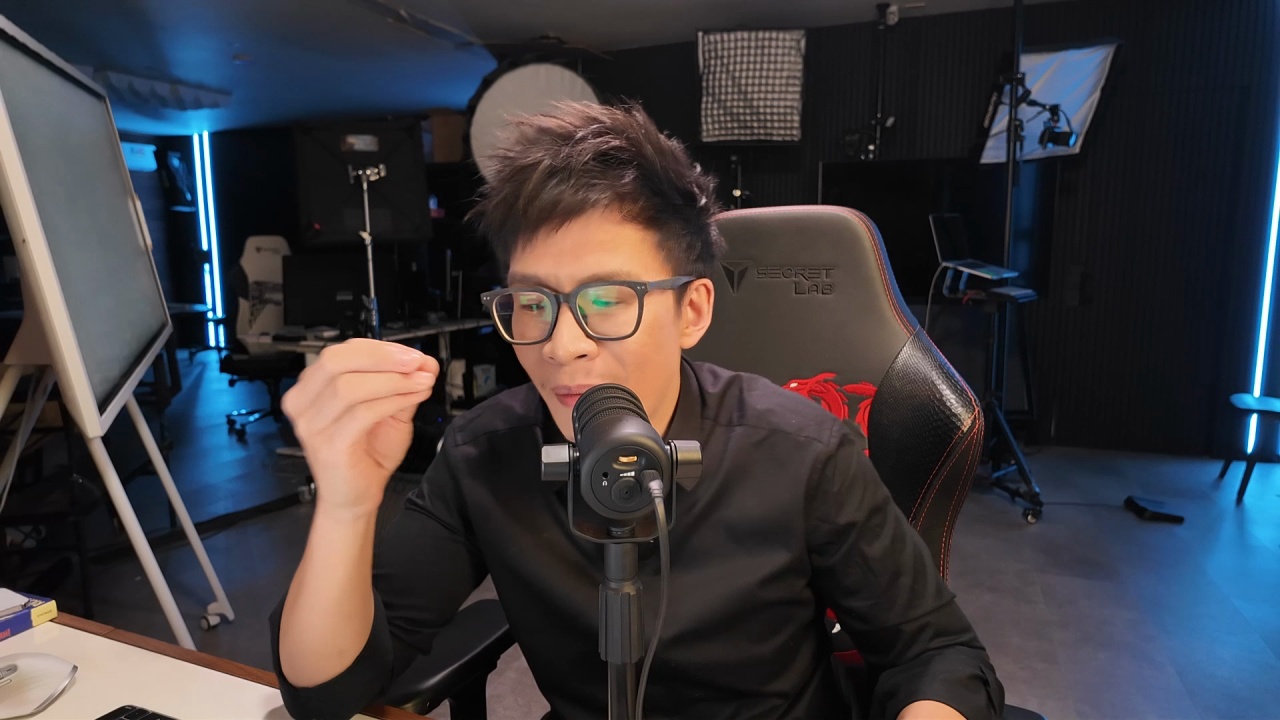
5.6.4 Q&A - Use Body Language to exert authority
25
5.6.5 Q&A - Executive presence on stage vs virtual
Next Module
5.6.4 Q&A - Use Body Language to exert authority
Module 5 - Body Language | Your body is connected to your voice and your voice is connected to your body.
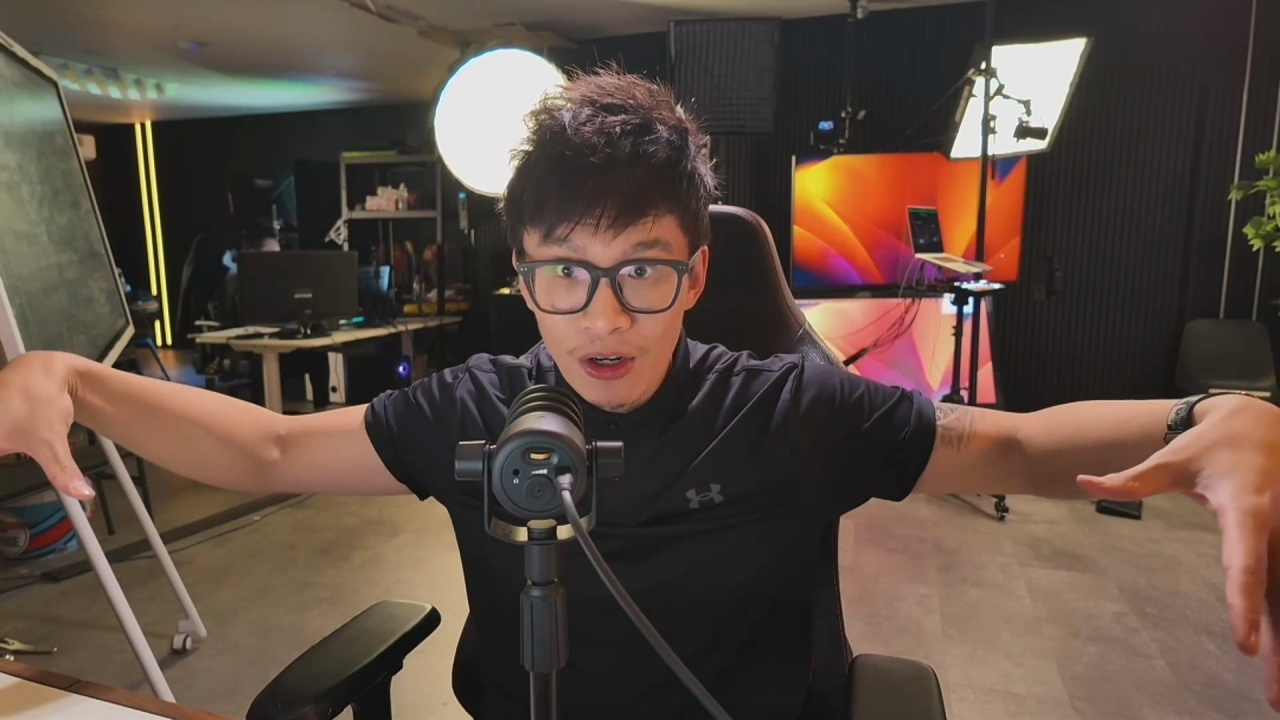
In this video, I discuss why people often interrupt speakers who exhibit low levels of verbal and visual authority. I explain how adopting small body language and a soft voice makes it easier for others to interrupt you. To illustrate, I demonstrate a shift from weak to strong body language and voice projection to show how these changes can significantly enhance perceived authority. I advise on increasing your presence by standing while speaking in team environments, using this posture as a visual cue to indicate that you are still engaged in your discourse. This approach helps prevent interruptions by signaling to others that you have not yet finished your contributions.
Comments 6
Instructor

Vinh Giang
Instructor
If you are still unsure of who I am at this point, now I am truly offended! Haha I hope you enjoy this course and please remember the following quote... "Don't be so attached to who you are in the present, that you don't give the future version of you a chance!"

James
The problem that I find is that some people just ramble unnecessarily. If I don't attempt to interupt someone at a certain point they continue to talk about something completley unrelated to the original topic of the conversation.
Yesenia
so good
Kye Gambin
Vinh said at 1:22 to stand up to speak in a team environment. Does that mean in a meeting, I should stand up when offering a though?
If so, is it just in a team meeting or a client meeting as well?
That feels a little intense.
Ethan Smith
The louder someone is the more physical energy it takes to be heard when interrupting that person
Tony Suriano
Ha! You said "Hey Tony" And I had to go back to be sure. First seemingly ridiculous thought was, "Did Vinh program an AI to switch name to user here?" My second actually not ridiculous thought was, "Oh crap, that's probably possible!"
Leonardo Sanchez
OMG! Is your name Tony??XD