

Module 4 - Storytelling | This is a SUPER POWER in life and business.
31 Lessons
1
4.1.0 Dopamine
2
4.2.0 Oxytocin
3
4.3.0 Endorphins
4
4.4.0 Cortisol
4.4.1 Q&A - Chemicals of Storytelling
6
4.5.0 Why Storytelling is so POWERFUL!
7
4.5.1 Q&A - Point Out The Elephant In The Room
8
4.5.2 Q&A - Storytelling Situational Awareness
9
4.6.0 Storytelling Formula
10
4.6.1 Support Video - Bringing Characters to Life Example
11
4.6.2 Support Video - 5 Min Story Example
12
4.6.3 Support Video - 2 Min Story Example
13
4.6.4 Support Video - 1 Min Story Example
14
4.6.5 Q&A - Storytelling Elements
15
4.6.6 Q&A - Overusing key phrases
16
4.6.7 Q&A - How to make your story more compelling
17

4.6.8 Q&A - Storytelling without a point
18
4.7.0 Linking
19
4.7.1 Support Video - Story Linking Example 1
20
4.7.2 Support Video - Story Linking Example 2
21
4.7.3 Support Video - Story Linking Example 3
22
4.8.0 Tips to Keep Stories Short
23
4.8.1 Q&A - Story Interrupters
24
4.8.2 Q&A - Staying on point
25
4.8.3 Q&A - How to avoid rambling
26
4.9.0 Library of Stories
27
4.9.1 Support Video - Vinh Personal Story Bank Example 1 [Build Your Army]
28
4.9.2 Support Video - Vinh Personal Story Bank Example 2 [CEO in the URINAL]
29
4.9.3 Support Video - Vinh Personal Story Bank Example 3 [MP3 Player Origin Story]
30

4.9.4 Q&A - Applying these lessons in a corporate environment
31
4.9.5 Q&A - How much time to spend practicing your storytelling
Next Module
4.4.1 Q&A - Chemicals of Storytelling
Module 4 - Storytelling | This is a SUPER POWER in life and business.
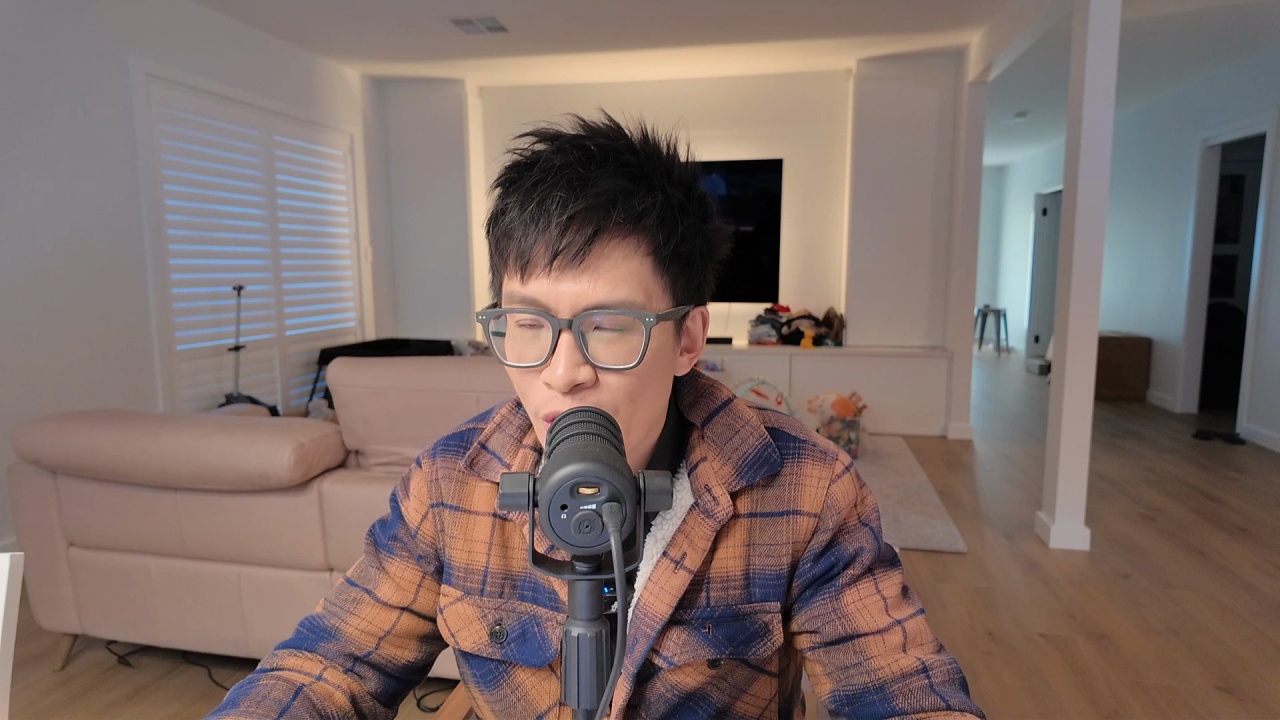
In this video I answer the question: Can you tell us about each of the chemicals with storytelling? How are they different? Are there different categories of stories?
In this video I'll be talking about the different chemicals associated with storytelling - dopamine, oxytocin, endorphins, and cortisol - and how we can use them to achieve different outcomes. I'll be discussing what kind of stories are engaging, how to develop deeper connections, how to break the ice, and even how to exit a conversation gracefully.
Comments 20
Show MoreInstructor

Vinh Giang
Instructor
If you are still unsure of who I am at this point, now I am truly offended! Haha I hope you enjoy this course and please remember the following quote... "Don't be so attached to who you are in the present, that you don't give the future version of you a chance!"

Bumpa
Thanks!
Steven Wheatley
I KNOW UNO Laughter is the best medicine you are a magician and funny as… your a comedian you elicit all the emotions and chemicals with a learning process that's easiest with laughter 😃😃
Dana Erlandez
Dear Vinh, you could perhaps collaborate with experts to make this module more accurate and educational. Your section on the Storytelling Formula is amazing because that's your craft and game, it made me feel like I already got the value I paid for. But this section about chemicals is soupy, ain't meaty enough.. How these stories differ or what in particular is in the story elicits each of the specific chemical responses and effects?
And dear, cortisol is also released in stories such as thrillers, horrors, and even action... any sort of distressing situation wherein the audience feel a sense of threat... And people loves watching these stuff too... Why?
Daniel Yeow
Hey Dana! Agreed re: Cortisol, it's not a 'bad thing' to evoke, and as you noted - many stories/movies utilise this effectively, particularly thriller + horror movies!
Nayan Ghimire B K
Vinh, this is amazing content on storytelling, but I wanted you to give us the storytelling formula for what kind of story to choose from our lives and in what way to decide whether we should choose certain kinds of stories to categories to trigger chemicals accordingly. The storytelling formula is good, but won't there be some nudges that will determine what kind of formulas we use, too?
Kyle
This video was very helpful! To connect with a feeling/vibe or set of motion really sets the four chemicals apart