

Module 2 - Vocal Mastery | If you master this section, you'll crush it.
41 Lessons
1
2.0 The Reveal
2
2.1.0 Rate of Speech
3
2.1.1 Rate of Speech Support Video 1 - Accents
4
2.1.2 Rate of Speech Support Video 2 - Transitions = Engagement
5
2.1.3 Rate of Speech Support Video 3 - Default Rate = Less Engagement
6
2.2.0 Volume
7
2.2.1 Volume Support Video - Low Default Volume Example
8
2.2.2 Volume Support Video - Transformation With A Small Change
9
2.2.3 Volume Support Video - The Power of Variety In Action!
10
2.2.4 Q&A - Energising Your Sentences
11

2.2.5 Q&A - Using Volume in different contexts
12

2.2.6 Q&A - Tips on Increasing Volume
13

2.2.7 Q&A - Adding more depth to your voice
14
2.3.0 Pitch & Melody
15

2.3.1 Pitch & Melody Support Video - An Amazing Exercise to Increase Vocal Variety!
16
2.3.2 Pitch & Melody Support Video - Transformation Example
17
2.3.3 Pitch & Melody Support Video - Variety Example (Amazing Melody)
18
2.3.4 Q&A - How to avoid sounding arrogant
19
2.3.5 Q&A - Using pitch to portray confidence
20
2.3.6 Q&A - Advice on vocal classes
21
2.4.0 Tonality
2.4.1 Tonality Support Video - Transformation Example, With and Without Tonality
23
2.4.2 Tonality Support Video - Make Learning Fun, Try this Exercise!
24
2.4.3 Tonality Support Video - Transformation, Breaking Out Of The Comfort Zone!
25
2.5.0 Pause
26
2.5.1 Pause Support Video - Small Changes = Transformation
27
2.5.2 Pause Support Video - Vinh Example Ew.
28
2.5.3 Pause Support Video - You're Going to HATE Me After This..
29

2.5.4 Q&A - Using The Pause to organize my thoughts
30
2.5.5 Q&A - It feels weird when I pause
31

2.5.6 Q&A - Dealing with interrupters when you pause
32
2.6 Self Awareness Technique
33
2.6.1 Q&A - Practicing your foundations
34
2.6.2 Q&A - Situational Awareness
35
2.6.3 Q&A - What's your 80 - 20
36

2.6.4 Q&A - Tips on presenting scripted content
37
2.6.5 Q&A - When to practice
38

2.6.6 Q&A - How to make it a habit
39
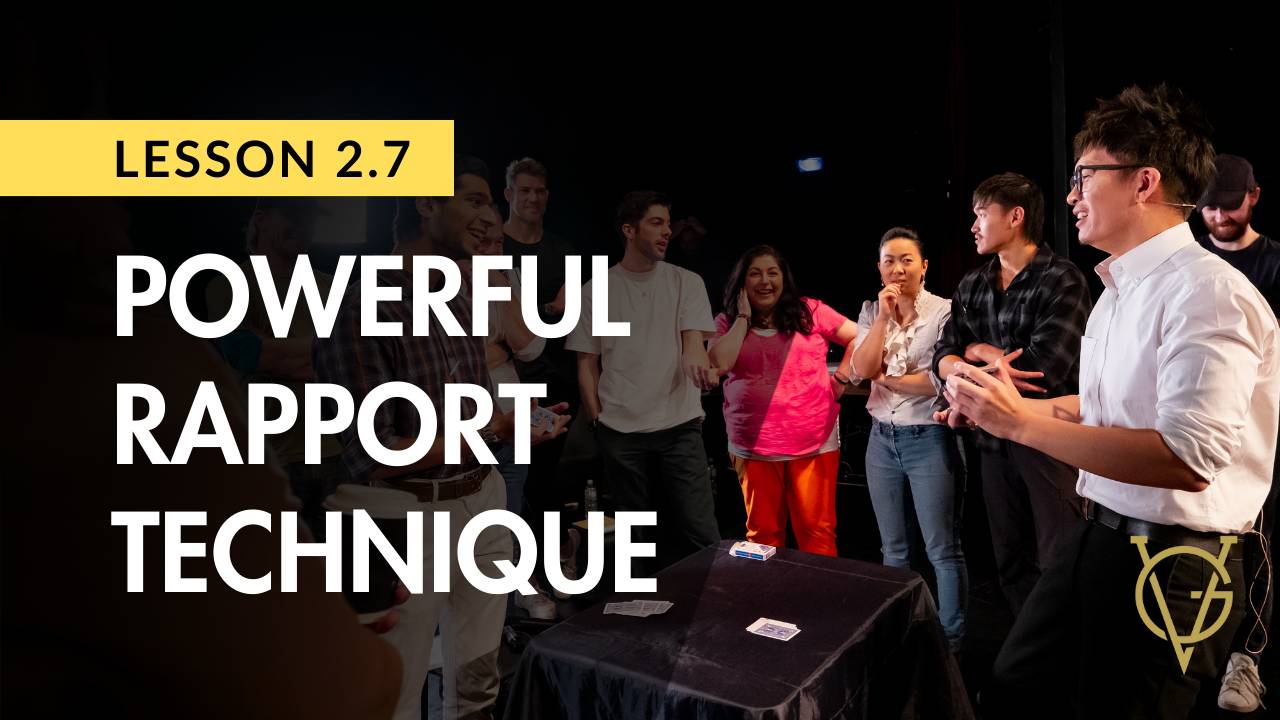
2.7 Powerful Rapport Technique
40

2.7.1 Q&A - Matching and mirroring to gain trust
41

2.7.2 Q&A - When to apply these foundations
Next Module
2.4.1 Tonality Support Video - Transformation Example, With and Without Tonality
Module 2 - Vocal Mastery | If you master this section, you'll crush it.
In this video, I talk about the importance of matching the tonality of your voice with the emotions you are trying to convey. I give an example of a student who tells a story with no tonality, and then add tonality to show the difference. By adding the correct tonality to your voice, you can convey emotion more effectively and provide context to your listener.
Comments 54
Show MoreInstructor

Vinh Giang
Instructor
If you are still unsure of who I am at this point, now I am truly offended! Haha I hope you enjoy this course and please remember the following quote... "Don't be so attached to who you are in the present, that you don't give the future version of you a chance!"
Michelle Thompson
Summing it up matching the tonality of your voice to the emotions you want to convey is essential because it helps your listener truly understand and connect with what you’re communicating. They don't only hear it they feel it, if it means something to you take the time to add the tonality. You can see and hear the difference when its added. Thanks
Bumpa
Thanks!
Kim
Excellent example - changed it totally.
ANDRE ANTUNESVTETRA
Thank you for providing this example; this is the same feeling that I convey in my pitches.
I'm a happy person, and it's hard for me to express sad or angry feelings after a long period when I no longer feel them.
How can I communicate sadness without feeling it?
Marechiel Santos-Lang
Thanks for driving the point that tonality adds a layer of context to the emotions and the words — and for the. Advice to use the face as remote control for my emotions which then changes my tone